
Perfume Concentration
EDT vs EDP vs Parfum vs Elixir: What’s the Real Difference?
If you’ve ever browsed a fragrance shelf and felt confused by the letters “EDT” or “EDP” next to a bottle, you’re not alone. These abbreviations EDT vs EDP vs Parfum vs Elixir tell you the concentration of perfume oil in the bottle — and that single number affects everything from how strong the scent is, to how long it lasts, to how much you should expect to pay. Let’s break it down.
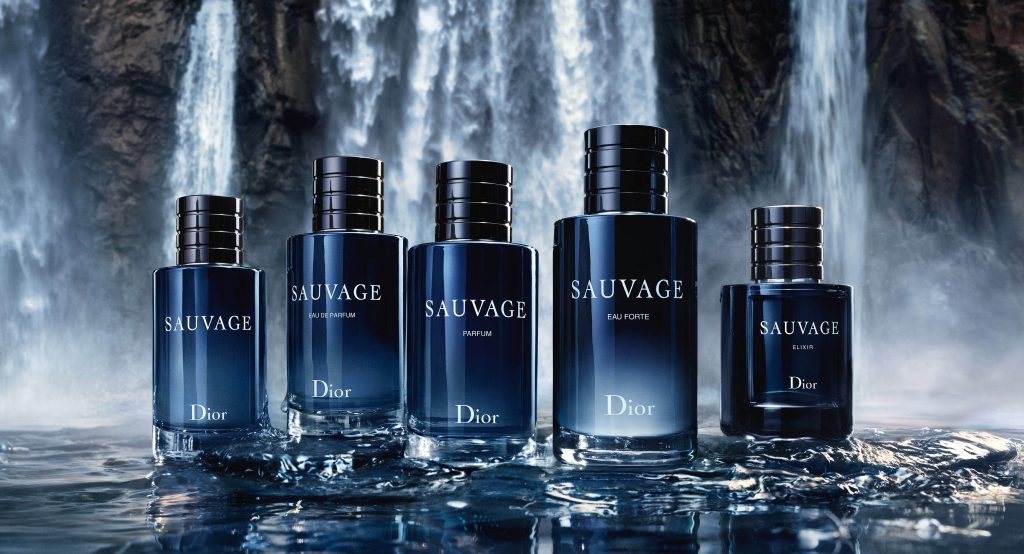
The Basics: It’s All About Concentration
Every fragrance is a blend of aromatic oils dissolved in alcohol (and sometimes water). The percentage of those aromatic oils determines the category the fragrance falls into. More oil generally means:
- A stronger, richer scent
- Longer wear time on skin
- A higher price point
- Less need for reapplication throughout the day
Here’s how the main categories EDT vs EDP vs Parfum vs Elixir stack up, from lightest to strongest.
1. Eau Fraîche (1–3% oil concentration)
The lightest of them all. Eau fraîche is mostly water with a small splash of fragrance oil. It’s refreshing, subtle, and fades within an hour or two — great for a quick spritz but not something you’d rely on to last a full day.
2. Eau de Cologne / EDC (2–5% oil concentration)
Slightly stronger than eau fraîche, EDC is popular in classic citrus-based scents. It’s light, breezy, and typically lasts about 2 hours. Traditionally more common in men’s grooming lines, though the term is used more loosely today.
3. Eau de Toilette / EDT (5–15% oil concentration)
This is the most common concentration you’ll find in everyday fragrances. EDT offers a good balance of scent strength and affordability, typically lasting 3 to 5 hours on skin. It’s a great choice for daytime wear, office settings, and hot, humid climates — like here in Bangladesh — where a heavier fragrance can feel overwhelming. Get Dior Sauvage EDT here.
4. Eau de Parfum / EDP (15–20% oil concentration)
EDP steps things up considerably. With nearly double the oil concentration of EDT, it lasts 5 to 8 hours or more, and the scent tends to be deeper and more complex as it develops through its opening, heart, and base notes. EDP is often considered the sweet spot between longevity and value, which is why it’s the most popular format for premium and niche fragrances today.
5. Parfum / Extrait de Parfum (20–30%+ oil concentration)
This is the most concentrated, purest form of fragrance. Parfum (sometimes labeled “extrait”) uses very little alcohol, so the scent is smooth, rich, and can last 8 hours to a full day on skin. Because so much aromatic oil goes into each bottle, parfum is usually the most expensive option — but a little goes a long way, since you only need one or two dabs rather than a full spray.
6. Elixir (typically 25–40%+ oil concentration)
Elixir is a newer marketing term used by houses like Yves Saint Laurent, Armani, and others for their most intense, concentrated formulations — often even richer than a standard parfum. Elixirs are designed to be bold, long-lasting, and skin-hugging, frequently built around warm, gourmand, or oud-heavy profiles. Think of it as a house’s flagship, maximum-intensity release. A single spray can last well over 12 hours.
Quick Comparison Table
| Type | Oil Concentration | Typical Longevity | Best For |
|---|---|---|---|
| Eau Fraîche | 1–3% | 1–2 hours | Quick refresh |
| Eau de Cologne (EDC) | 2–5% | ~2 hours | Light daily splash |
| Eau de Toilette (EDT) | 5–15% | 3–5 hours | Daytime, humid weather |
| Eau de Parfum (EDP) | 15–20% | 5–8 hours | Everyday luxury wear |
| Parfum / Extrait | 20–30%+ | 8+ hours | Special occasions, evening wear |
| Elixir | 25–40%+ | 12+ hours | Maximum projection & longevity |
Which One Should You Choose?
- Hot, humid days (very common in Bangladesh): EDT is often more comfortable — heavier concentrations can feel overpowering in the heat and humidity.
- Office or daily wear: EDP offers the best balance of lasting power without being too intense for close quarters.
- Evenings, winter, or special occasions: Parfum or Elixir gives you that rich, long-lasting presence perfect for weddings, dinners, or cooler weather.
- Budget-conscious buyers: EDT typically offers the most affordable entry point into a brand’s fragrance line without sacrificing too much wear time.
Final Thoughts
There’s no single “best” concentration — it depends on the occasion, the climate, and your personal preference for subtlety versus presence. Understanding these differences helps you get more value from every bottle and choose the right fragrance for the right moment, rather than just going by name recognition alone.
Have a favorite EDP or Parfum you keep coming back to? The concentration is often exactly why it works so well for you. To know more about perfumery click here.
